
A trajetória de Resina de polivinil butiral (PVB) Está intimamente ligado à demanda do setor manufatureiro global por materiais que ofereçam transparência, durabilidade, flexibilidade e adesão incomparáveis. Originado como um polímero especializado no início do século XX, o PVB se transformou em um componente fundamental em diversos setores, desde vidros de segurança automotivos até revestimentos e tintas avançadas.
As origens e o propósito inicial do PVB
Sintetizado na década de 1930 através da reação catalisada por ácido entre Álcool polivinílico (PVA) Composto por butiraldeído, o PVB foi projetado para ser um polímero formador de filme altamente transparente e resistente a impactos. Rapidamente encontrou sua principal aplicação como a principal camada intermediária para vidros de segurança laminados. Com o surgimento de regulamentações de segurança automotiva mais rigorosas, a demanda por PVB disparou. Sua capacidade incomparável de aderir ao vidro, absorver energia de impacto e manter a transparência óptica o tornou insubstituível na fabricação de para-brisas. A estrutura molecular singular — que equilibra segmentos hidrofílicos e hidrofóbicos — logo levou os químicos a explorar sua solubilidade e potencial de formação de filmes em tintas e matrizes de impressão.
Expansão para tintas de impressão e revestimentos de superfície
Graças à sua resistência intrínseca e adesão superior, o PVB rapidamente se tornou um elemento essencial na formulação de revestimentos de superfície e tintas de impressão. O aprimoramento contínuo por cientistas de polímeros aumentou sua compatibilidade com diversos solventes, pigmentos e aditivos.
Catalisadores para a Diversificação Industrial
Além dos vidros automotivos e da impressão, o final do século XX testemunhou um aumento na demanda por resinas versáteis, impulsionando o PVB para os setores aeroespacial, da construção civil, da eletrônica e de embalagens especiais. Diversos atributos essenciais contribuíram para essa ampla adoção:
O impacto das técnicas modernas de fabricação
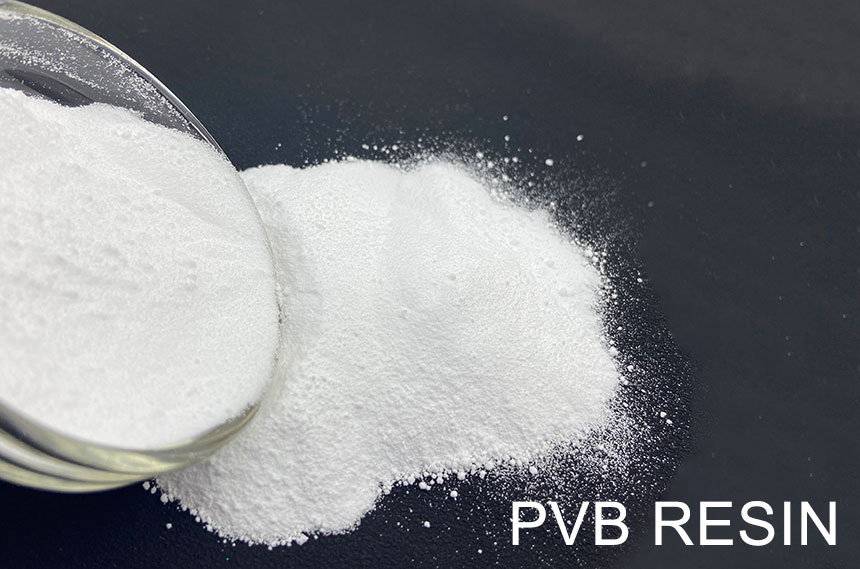
A acessibilidade global do PVB é resultado direto de metodologias avançadas de purificação e processamento de polímeros. Atualmente, as instalações podem controlar meticulosamente o peso molecular da resina, o grau de acetalização e os níveis residuais de hidroxila, adaptando o polímero para funções comerciais altamente específicas. Inovações no manuseio e secagem do pó permitem obter o PVB como um pó branco e fofo que se dissolve eficientemente, acelerando o processo de formulação. Ao oferecer graus de viscosidade precisos para sistemas com alto e baixo teor de sólidos, os fabricantes reduziram significativamente os ciclos de P&D, otimizando os custos de produção e tornando o PVB economicamente viável em todos os setores.
Tendências atuais e propriedades à prova do futuro
Os ambientes industriais modernos exigem materiais que resistam a complexas tensões químicas, térmicas e mecânicas. O PVB continua a inovar acompanhando essas demandas por meio de tendências importantes do setor, como formulações híbridas (mistura com acrílicos), eletrônica impressa (como aglutinantes dielétricos) e laminados de segurança avançados.
Essas aplicações de ponta dependem de uma matriz de propriedades inerentes do PVB:
| Propriedade chave | Benefício Industrial |
| Ampla compatibilidade | Solúvel em ésteres, cetonas e álcoois para formulações versáteis. |
| Clareza óptica | Mantém a transparência impecável mesmo em películas espessas e com múltiplas camadas. |
| Controle térmico | Amacia de forma previsível sob calor sem se degradar, auxiliando nos processos de cura. |
| Flexibilidade mecânica | Resiste a microfissuras sob ciclos térmicos intensos ou tensão. |
A evolução da resina de polivinil butiral (PVB) é um verdadeiro testemunho da engenhosidade química — passando de uma simples camada intermediária para vidro de segurança a um pilar fundamental para compósitos avançados, tintas e revestimentos protetores. Sua síntese única de flexibilidade, adesão e transparência garante sua relevância contínua em ambientes industriais exigentes. À medida que as técnicas de fabricação globais avançam, o PVB está pronto para o futuro, servindo como uma solução adaptável e de alto desempenho que une a confiabilidade histórica às demandas tecnológicas da próxima geração.
Site: www.elephchem.com
WhatsApp: (+)86 13851435272
E-mail: admin@elephchem.com



 Rede IPv6 suportada