
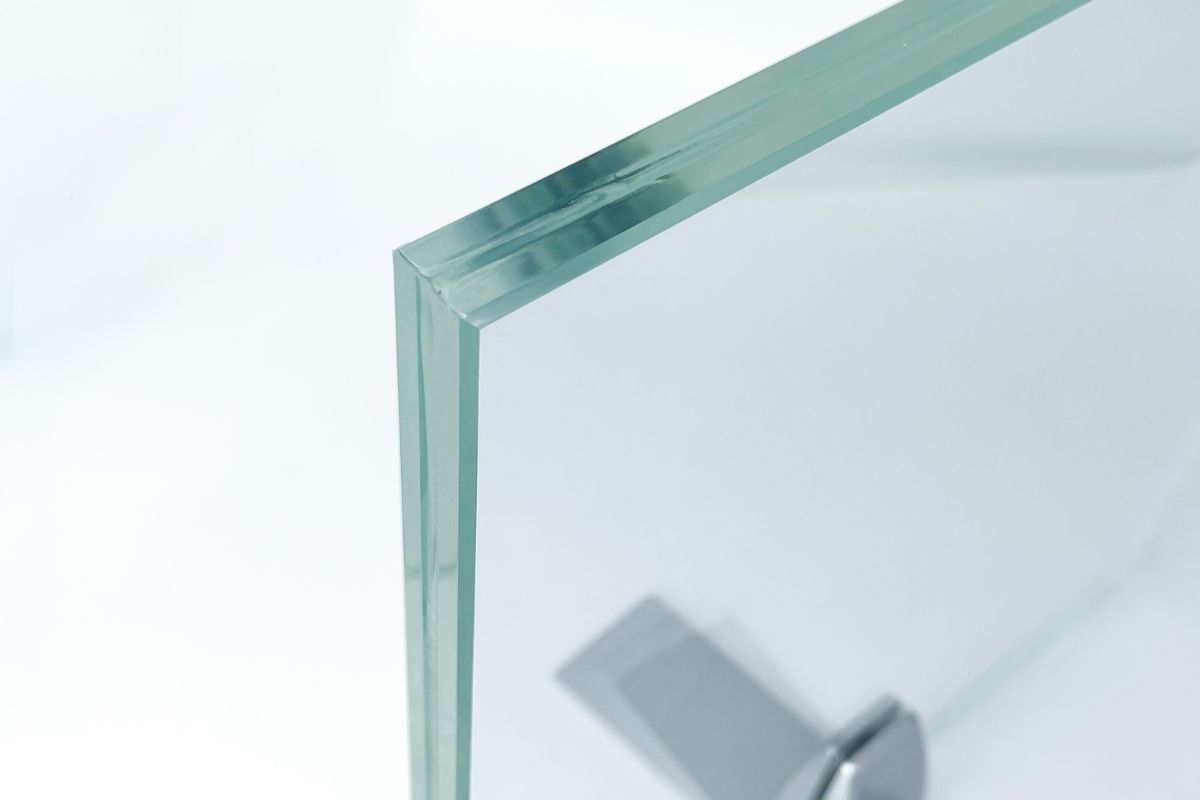
Filme de polivinil butiral (PVB) Serve como uma camada intermediária polimérica fundamental nas indústrias de vidro de segurança, optoeletrônica e energia solar. Reconhecida por sua transparência óptica, robusta absorção de impacto e excelente adesão ao substrato, esta resina termoplástica preenche a lacuna entre durabilidade mecânica e desempenho óptico. Sintetizada por meio da acetalização de álcool polivinílico (PVA) Com butiraldeído, a arquitetura molecular anfifílica do PVB — que apresenta grupos hidroxila hidrofílicos e cadeias de acetal hidrofóbicas — permite sua utilização em ambientes exigentes como os automotivos, arquitetônicos e eletrônicos.
1. Arquitetura Molecular e Composição Química
O perfil de desempenho de um filme de PVB depende diretamente da composição da sua cadeia polimérica subjacente. Durante a síntese, a reação catalisada por ácido produz um copolímero aleatório composto por três segmentos funcionais distintos:
Ajustar a distribuição do peso molecular (normalmente visando um índice de polidispersão de 1,8 a 2,5) e controlar a distribuição espacial dessas sequências permite aos fabricantes projetar comportamentos específicos do material. Por exemplo, a síntese assistida por emulsificante em baixa temperatura pode congelar distribuições de sequências fora do equilíbrio para otimizar o desempenho de amortecimento acústico.
2. Manufatura Avançada e Fabricação de Filmes
Otimização da química de acetalização
As metodologias de produção modernas focam-se fortemente na prevenção da degradação térmica e da descoloração. A utilização de catalisadores orgânicos avançados, como o ácido hidroxibutírico, funciona tanto como catalisador quanto como regulador de pH. Isso minimiza eficazmente o índice de amarelo (IA) do material e limita a geração de aldeídos pós-aquecimento a menos de 100 ppm após 5 horas a 130 °C. Os controles de processamento padrão exigem uma janela de reação rigorosa: temperaturas mantidas entre 40 e 70 °C, pH de 2,5 a 4,0 e uma proporção molar de butiraldeído em excesso para PVA de 1,2 a 2,0:1. A resina resultante é lavada cuidadosamente, neutralizada e misturada com 20 a 40 phr de plastificantes de alta eficiência (como o 3GO).
Tecnologias de Formação de Filmes
Duas metodologias distintas ditam a produção comercial de PVB, dependendo dos requisitos de uso final:
Fundição por solução: Preferencial para displays ópticos premium e películas semicondutoras. O PVB plastificado é dissolvido em solventes polares (por exemplo, etanol/metanol misturas ou dimetilformamida) para criar uma solução de resina para moldagem de 15–25% em peso. O revestimento multicamadas por extrusão em matriz de fenda sobre um suporte sacrificial, seguido de secagem controlada (60–120°C), produz filmes com excelentes métricas ópticas: valores de opacidade inferiores a 0,5%, birrefringência inferior a 5 nm e rugosidade superficial (Ra) inferior a 0,1 μm.
Extrusão por fusão: O principal método para a produção em larga escala de camadas intermediárias de vidro de segurança. O composto plastificado é processado em extrusoras de dupla rosca operando a 150–200 °C. O material fundido é vertido através de uma matriz plana sobre rolos de texturização/resfriamento (40–70 °C) para induzir deliberadamente uma rugosidade superficial controlada (Rz de 30–55 μm). Essa topografia precisa é crucial; ela cria microcanais que permitem a completa evacuação do ar durante a laminação do vidro, prevenindo defeitos de bolhas aprisionadas.
3. Perfis de desempenho físico, mecânico e óptico
Site: www.elephchem.com
WhatsApp: (+)86 13851435272
E-mail: admin@elephchem.com



 Rede IPv6 suportada