No cenário em constante evolução da ciência dos polímeros, Álcool polivinílico modificado (PVA modificado) O PVA emergiu como um pilar fundamental para aplicações de alto desempenho. Embora o PVA tradicional seja amplamente reconhecido por sua solubilidade em água e capacidade de formação de filmes, as variantes modificadas representam um avanço significativo. Ao ajustar a arquitetura molecular, os fabricantes fornecem às indústrias soluções personalizadas que preenchem a lacuna entre a utilidade padrão e a excelência especializada.
1. O que é álcool polivinílico modificado?
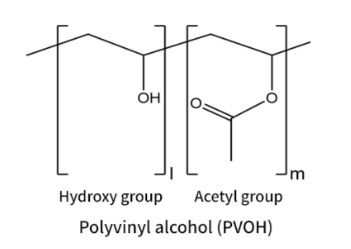
O PVA modificado é um polímero sintético derivado de Monômero de acetato de vinila (VAM)Ao contrário do PVA padrão, que é produzido por meio da hidrólise do acetato de polivinila, o PVA modificado passa por processamento químico adicional, como... copolimerização ou pós-modificação—para alterar suas propriedades essenciais.
Ajustando o Grau de Polimerização (DP) e o Grau de Hidrólise (DH)Ou, introduzindo grupos funcionais específicos, como ácido sulfônico ou grupos acetoacetil, os químicos podem criar um material que supera seu antecessor em adesão, flexibilidade e resistência química.
2. Formas Físicas e Logística da Cadeia de Suprimentos
Para atender às diversas necessidades industriais, o PVA modificado é fornecido em vários formatos físicos, cada um otimizado para fluxos de trabalho específicos de manuseio e processamento:
Globalmente, esses produtos são rastreados sob o código HS 3905.3000, garantindo logística integrada e conformidade regulatória para compras internacionais.
3. Propriedades Químicas e Engenharia Molecular
A versatilidade do PVA modificado reside em sua grupos hidroxila (-OH) pendentes, que são altamente reativas e capazes de formar fortes ligações de hidrogênio.
Em muitas formulações avançadas, o PVA modificado é usado juntamente com produtos químicos complementares, tais como: Amido, Éteres de Celulose (HEC/MHEC), e Acetato de vinil etileno (EVA) emulsões para criar efeitos sinérgicos.
4. Principais Aplicações Industriais: Encontrando a Solução
O PVA modificado não é apenas uma matéria-prima; é uma solução para problemas na linha de produção:
5. Segurança, Estabilidade e Sustentabilidade
No ambiente regulatório atual, a segurança é fundamental. O PVA modificado é geralmente considerado atóxico e não perigoso. No entanto, o manuseio profissional continua sendo essencial.
Site: www.elephchem.com
WhatsApp: (+)86 13851435272
E-mail: admin@elephchem.com


 Rede IPv6 suportada