
Pó de polímero redispersível (RDP) É um pó de fácil dispersão produzido a partir de emulsões de polímeros por meio de um processo de secagem por pulverização. Quando adicionado a misturas à base de cimento ou gesso e misturado com água, ele se redispersa em uma emulsão, melhorando assim o desempenho do produto. Atualmente, o látex em pó redispersível tornou-se um ingrediente indispensável em inúmeras aplicações na construção civil.
1. Aplicações comuns do látex redispersível em pó
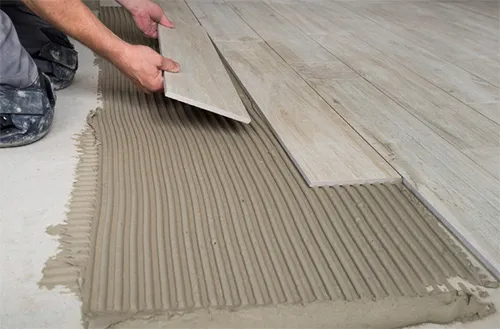
Adesivos para Azulejos
Os adesivos tradicionais à base de cimento muitas vezes têm dificuldade em proporcionar resistência de colagem suficiente. Ao incorporar Pó de polímero dispersívelOs fabricantes podem produzir produtos com excelente adesão, flexibilidade e resistência à água. A película polimérica formada pelo pó polimérico redispersível ajuda a preencher microfissuras no substrato, reduzindo o risco de desprendimento das peças ao longo do tempo. Além disso, permite uma melhor acomodação da movimentação do substrato, prolongando a vida útil do revestimento e prevenindo danos causados pela água à estrutura subjacente.
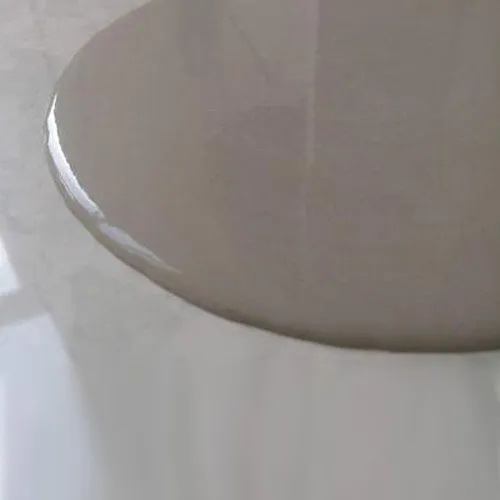
Compostos autonivelantes
O pó polimérico redispersível melhora as propriedades de aplicação e aumenta a adesão ao substrato, facilitando a aplicação do material, proporcionando um acabamento superficial mais liso e fortalecendo a ligação entre a argamassa autonivelante e a camada de base — reduzindo, assim, o risco de fissuras subsequentes. A flexibilidade inerente do pó polimérico redispersível permite que a argamassa autonivelante se adapte melhor a pequenos movimentos do substrato, prevenindo eficazmente a formação de fissuras.
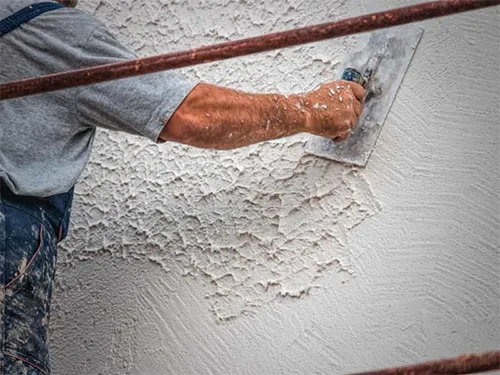
Sistemas de Isolamento e Acabamento Exterior (EIFS)
A incorporação de látex em pó redispersível na camada base de Sistemas de Isolamento e Acabamento Exterior (EIFS) aumenta a flexibilidade geral e a resistência a fissuras, permitindo que o sistema suporte as tensões causadas pela expansão e contração térmica, ao mesmo tempo que melhora a aderência entre as diversas camadas do sistema. As camadas base modificadas com látex em pó redispersível apresentam resistência superior ao impacto, ajudando a proteger a camada de isolamento contra danos e aumentando a durabilidade geral do sistema.
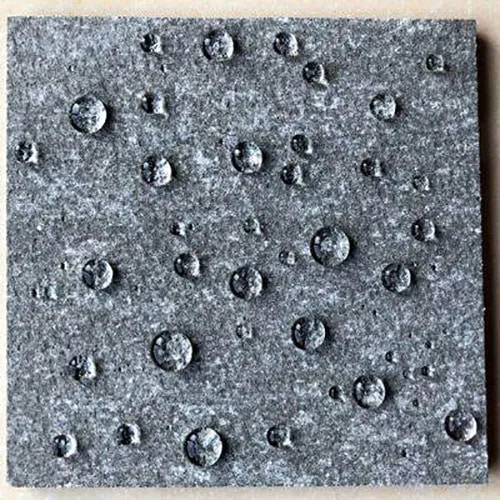
Membranas impermeabilizantes à base de cimento
As membranas impermeabilizantes são utilizadas para proteger estruturas — como porões, fundações e telhados — contra a infiltração de água. A inclusão de pó polimérico redispersível nas formulações das membranas confere ao produto flexibilidade excepcional, capacidade de preenchimento de fissuras e adesão ao substrato. Os filmes poliméricos formados na matriz cimentícia ajudam a selar microfissuras e proporcionam excelentes propriedades de impermeabilização.
Argamassas de reparo
O pó polimérico redispersível melhora a adesão entre as argamassas de reparo e os substratos de concreto existentes, além de aumentar a flexibilidade da argamassa. Isso permite que a argamassa se adapte melhor aos movimentos diferenciais entre o material de reparo e o concreto existente, reduzindo assim o risco de fissuras e delaminação.
2 Classificação de pós poliméricos redispersíveis
Com base na sua composição polimérica, os pós poliméricos redispersíveis são classificados principalmente nos seguintes tipos, cada um com características de desempenho e focos de aplicação distintos:
Tipo VAE (Emulsão de copolímero de acetato de vinila e etileno)
O tipo VAE é atualmente a categoria mais utilizada. Oferece boa flexibilidade, aderência e trabalhabilidade, além de uma excelente relação custo-benefício. É adequado para sistemas de argamassa seca padrão, como adesivos para azulejos, argamassas de revestimento e argamassas autonivelantes.
Tipo VA/VeoVa (copolímero de acetato de vinila-versatato de vinila)
Com base no VAE, este tipo incorpora grupos hidrofóbicos para proporcionar resistência superior à água e a álcalis. É adequado para aplicações que exigem alta resistência às intempéries, como sistemas de isolamento e acabamento exterior (EIFS) e argamassas de impermeabilização.
Tipo acrílico
Os revestimentos acrílicos de alta resistência apresentam excelente resistência à água, às intempéries e à radiação UV. São adequados para aplicações de alta qualidade ou que exigem durabilidade excepcional — como sistemas de revestimento de paredes externas e materiais de reparo especializados —, embora seu custo seja relativamente mais elevado.
3 Considerações na Seleção de Pó de Polímero Redispersível
Temperatura de transição vítrea (Tg)
Quanto menor a Tg, melhor a flexibilidade e as propriedades de formação de filme do polímero; no entanto, é necessário encontrar um equilíbrio entre flexibilidade e resistência à compressão.
Temperatura mínima de formação de película (MFFT)
Quanto menor o MFFT, mais facilmente o material forma uma película contínua em condições de baixa temperatura, tornando-o adequado para construção em ambientes frios.
Viscosidade
Em argamassas secas, os requisitos de viscosidade geralmente não são críticos, com exceção dos sistemas autonivelantes de cimento, que possuem demandas específicas de viscosidade. Se o pó for destinado ao uso em sistemas autonivelantes, é recomendável selecionar um pó polimérico redispersível com baixa viscosidade.
Agentes antiaglomerantes
A inclusão de agentes antiaglomerantes pode ter um impacto significativo na força de adesão; portanto, é essencial realizar testes de resistência de adesão antes da compra. O látex em pó redispersível é amplamente utilizado na indústria da construção civil. Em aplicações práticas, diversas modificações conferem ao látex em pó redispersível propriedades distintas, como resistência à água, resistência a álcalis, resistência à abrasão, resistência a manchas e flexibilidade.
Site: www.elephchem.com
WhatsApp: (+)86 13851435272
E-mail: admin@elephchem.com



 Rede IPv6 suportada